How people kept food cold before fridges

Imagine a world without a fridge. No ice maker, no freezer full of ready-made meals. This was life for most of human history, and it makes you wonder: how did people keep food cold before fridges?
For thousands of years, people used smart tricks and natural resources to keep their food from spoiling. They learned to use ice, snow, cool earth, and even clever airflow to make their own cold storage. It wasn't perfect, but it was enough to keep some foods fresh for longer.
Using Ice and Snow in Ancient Times
Long before electricity, people knew that ice and snow were great for keeping things cold. This wasn't just in freezing climates. Even in warm places, ancient cultures found ways to get and store ice. Think about the Egyptians, living in the desert. They actually had ice houses!
These early ice houses were often simple pits dug into the ground. People would pack them with snow and ice collected in the winter, sometimes from nearby mountains, or even made at night. They'd cover the ice with thick layers of straw, earth, or sawdust to insulate it. This kept the ice frozen for many months, sometimes even into summer.
In ancient Persia, they built amazing structures called "yakhchals." These were huge, dome-shaped buildings designed to make and store ice. They had a large, shallow pool that would fill with water. At night, the desert air would get very cold, freezing the water. During the day, the thick walls and cone shape kept the ice from melting too fast. People could then collect this ice and store it for later use. It was a brilliant feat of engineering, especially for a hot climate.
The Romans also loved ice. Emperor Nero, for example, would send his servants to the mountains to bring back snow. He'd use it to cool his drinks and his food. It was a luxury, but it shows how much people valued cold storage. This kind of ancient history is full of surprising inventions.
Building Ice Houses and Cellars
As time went on, ice houses became more common, especially among wealthy families and in large towns. These weren't just pits anymore. They were often purpose-built structures, sometimes looking like small stone or brick huts. The key was still insulation.
Inside an ice house, there would be a drainage system for the meltwater. The ice would sit on a grate or platform, letting the water drip away. This kept the remaining ice from sitting in water, which would make it melt faster. They'd often have double walls with a gap filled with sawdust, or thick earth berms around them to keep the heat out.
Even without ice, cellars were a big help. Most homes had a cellar or root cellar, dug deep into the ground. The earth acts as a natural insulator, keeping the temperature fairly constant. In summer, it would be much cooler than outside, and in winter, it would protect food from freezing. This was perfect for storing root vegetables like potatoes, carrots, and onions, as well as fruits and preserves.
Think of an old farmhouse you might have seen. Chances are, it had a cellar. My grandma's old house had one, and it was always surprisingly cool down there, even on the hottest days. It smelled of earth and stored apples, a real sense memory for me.
The Rise of Iceboxes in Homes
Fast forward to the 1800s, and we start seeing "iceboxes." These were the grandfathers of our modern fridges. They were basically insulated wooden cabinets with a special compartment for a large block of ice. People would buy ice from "icemen" who delivered it to their homes.
The iceman would come by with a horse-drawn cart, carrying huge blocks of ice. You'd signal him with a card in your window, telling him how much ice you needed. He'd carry it into your kitchen with big tongs and place it in the icebox. This was a weekly, or even daily, ritual for many families.
Inside the icebox, cold air from the melting ice would sink, cooling the food stored below. A drip pan at the bottom collected the meltwater, which you'd have to empty regularly. It was a bit of a chore, but it was a big step up from just a cellar or a simple chest.
These iceboxes weren't just for keeping drinks cold. They were used to store milk, butter, meat, and other perishable items. They helped people eat fresher food and reduce waste. Before iceboxes, many foods had to be eaten quickly or preserved in other ways, like salting or smoking.
It was a truly ingenious solution for its time. People were basically creating a mini ice house right in their kitchen. The technology was simple, but very effective. You can still find old iceboxes in antique shops, showing how well they were built.
Natural Ways to Preserve Food
Even with ice and cellars, people couldn't keep everything fresh for long. So, they relied heavily on other preservation methods that didn't need cold at all. These methods changed how food tasted and lasted.
Salting and Curing
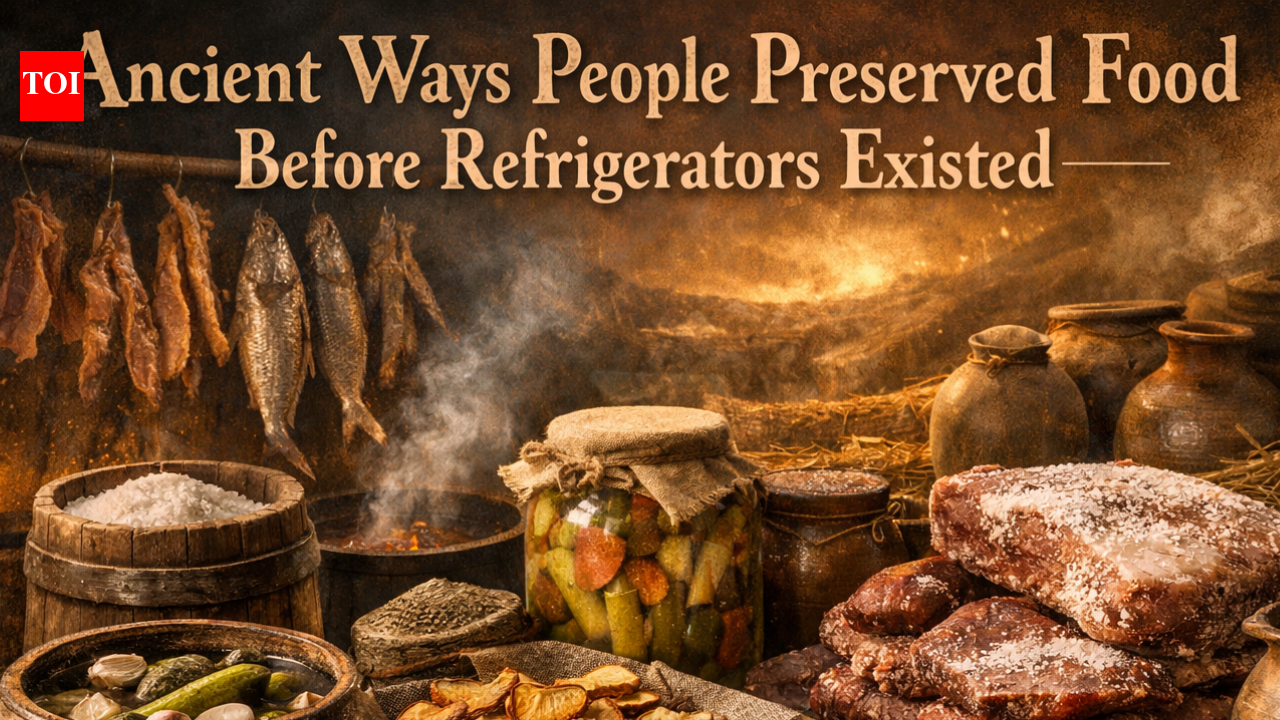
One of the oldest and most effective ways to preserve meat and fish was by salting. Salt draws out moisture, which bacteria need to grow. Without moisture, food spoils much slower. Think of salted cod or cured ham. These foods could last for months, even years.
Sailors on long voyages depended on salted meat and hardtack (a type of cracker) to survive. Without refrigeration, they had no other choice. A journey across the ocean meant eating a lot of very salty food. It wasn't always delicious, but it kept them alive.
Curing often involved a mix of salt, sugar, and spices. This not only preserved the food but also added flavor. Bacon and jerky are still made this way today, a delicious link to our past.
Smoking and Drying
Smoking food, especially meat and fish, was another common method. The smoke itself contains chemicals that act as preservatives, and the heat helps to dry the food, removing moisture. This also adds a distinct, smoky flavor that many people love.
Drying was incredibly simple and effective. Fruits like apples, apricots, and raisins were dried in the sun or in slow ovens. Vegetables could also be dried. This removed the water, making them much lighter and able to last a long time. It was a great way to save the harvest for winter months.
Think about how many dried fruits we still eat today. They're a direct link to these ancient preservation techniques. Learning about food history shows us how resourceful people were.
Pickling and Fermenting
Pickling involves soaking food in an acidic solution, usually vinegar. The high acidity kills bacteria and preserves the food. Pickles, sauerkraut, and kimchi are all examples of pickled or fermented foods that can last a long time without refrigeration.
Fermentation, like in making cheese or yogurt, also preserves food. Good bacteria grow, changing the food and making it inhospitable for bad bacteria. This process also adds unique flavors and can even make food more nutritious.
These methods weren't just about keeping food from going bad. They were also about creating new and interesting flavors. Many of our favorite foods today, from cheese to sourdough bread, come from these old preservation techniques.
What Changed with Modern Fridges?
The invention of the modern refrigerator in the early 1900s completely changed how we store and eat food. It made fresh food available year-round, no matter where you lived. No more icemen, no more emptying drip pans.
Refrigerators use a closed system of chemicals to absorb heat from inside the box and release it outside. It's a continuous process that keeps the temperature consistently low, much more effectively than a block of ice ever could. This meant less food spoilage, safer food, and a wider variety of fresh items in our diets.
Think about how much easier it is to keep leftovers, or to buy fresh meat and dairy for a week at a time. It's hard to imagine life without this simple appliance. It truly changed kitchens and diets around the world. So next time you grab a cold drink, take a moment to appreciate the journey of keeping things cool.


Comments
Post a Comment