The Letter That Arrived Fifty Years Late to a Tiny Town
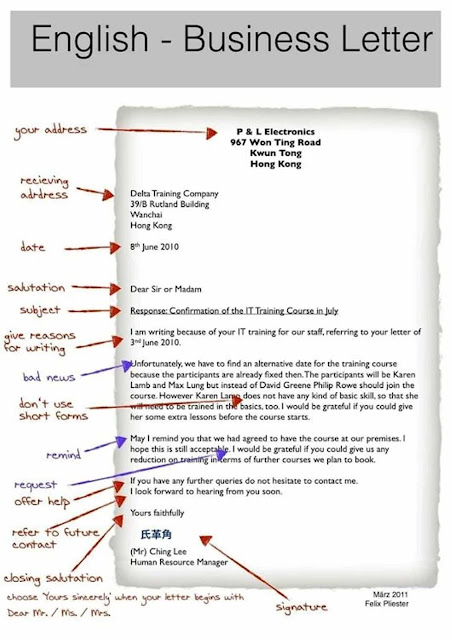
The letter that arrived fifty years late was postmarked in the summer of nineteen sixty-nine. It sat in the dark for half a century, trapped behind an old sorting cabinet in a post office, before it finally reached a front door. When the mail carrier dropped it in the box, the world outside had changed completely, but the ink on the paper still looked fresh.
A woman named Brenda found it on an ordinary Tuesday morning in the small village of Cranbrook, England. The faded stamp had Queen Elizabeth the Second on it, priced at just a few pennies. Inside were warm words sent by a mother to her young daughter decades ago, full of simple news about a summer holiday that had ended before men walked on the moon. It was a shock to hold something that had slept through so much human history.
How did a letter get lost for fifty years?
You might wonder how a small envelope can disappear for five decades. It is surprisingly easy when you look at how people moved paper before computers. Back in nineteen sixty-nine, mail sorting centers handled millions of paper letters by hand every single night. Workers stood in giant rooms, tossing envelopes into wooden cubbies at top speed.
Sometimes, a thin envelope would slip behind a heavy wooden bench or drop into a crack under a table. That is exactly what happened here. The letter slipped down a gap between two heavy sorting desks. It stayed there, completely flat and out of sight, gathering dust year after year. Nobody swept deep enough under those heavy fixtures to see it.
Decades passed by. The town changed, the post office upgraded its machines, and finally, workers arrived to tear down the old counters. When they pried the heavy oak wood away from the wall, they found a small pile of lost mail sitting on the floorboards. The post office did not throw it away. Postal workers felt an old duty to deliver what had been entrusted to them, no matter how much time had passed. They dusted off the envelope, checked the street name, and sent it on its way.

Who wrote the lost letter and who was it for?
The sender was a woman named Janet, writing home to her daughter while staying by the sea. It was not a legal document or a secret spy message. It was a sweet, everyday family note about buying ice cream, walking along the rocky beach, and wishing her little girl was there to share the breeze. You can read more accounts of lost moments in our archive of unbelievable real history.
When the postman walked up the path in Cranbrook, the little girl from nineteen sixty-nine was now a grandmother in her late fifties. Her name was Brenda. She opened the mail expecting a gas bill or a store circular. Instead, she saw her mother's handwriting, unmistakable and neat, written with a classic blue ballpoint pen. Her mother had passed away more than twelve years earlier.
Imagine the feeling of holding a message from someone you loved and lost, written when you were only eight years old. Brenda sat down on her stairs and cried. Her mother was suddenly alive again through the words on the page. She was talking about packing up a suitcase, complaining about the rainy British weather, and sending kisses to her child. It felt like a voice calling out across time.
Why old letters move us so deeply today
We send text messages every ten minutes now. They arrive in two seconds, and we delete them without thinking twice. A paper letter feels like an artifact from another planet. You can smell the paper, see the smudge of ink, and touch the paper where someone rested their hand.
Historians often rely on these accidental time capsules to understand regular daily life. This kind of personal memory connects directly to Oral history, preserving the tiny details of how ordinary families spoke and lived. A letter tells you the price of butter, the mood of a sunny afternoon, and how people signed their names with care. It is real life frozen in place.
People love these stories because they remind us that the past is never fully gone. It waits just around the corner, or behind a piece of furniture. Many readers who follow tales of incredible survival, like The Pilot Who Landed a Plane on the Hudson River, also cherish quiet moments like this one. Both kinds of events prove that truth is stranger than any story someone could make up in a book.
Other famous letters that took decades to arrive
Brenda's letter is not the only piece of mail that took the scenic route. Similar deliveries happen around the globe more often than you would guess. Postal workers are trained to treat every stamped envelope as a sacred promise. When an old letter turns up during a renovation, the search begins.
Here are three other unbelievable cases of delayed mail that eventually found their target:
- In London, a letter sent in nineteen sixteen during the First World War showed up at a flat in twenty twenty-one, more than a century after it was mailed.
- A postcard sent from France to a family in Detroit in nineteen sixty finally landed in an American mailbox in twenty twenty, still bearing the original colorful stamps.
- A love letter written by a young sailor stationed in San Diego in nineteen forty-four was returned to his widow seventy-six years later, found behind an old postal locker.
In each of these moments, the mail carrier became a time traveler. They did not just hand over paper. They handed over a lost memory that everyone thought was gone forever. It turns a standard delivery into a true Human-interest story that touches people who never even knew the sender.
What happened after Brenda got the letter?
After Brenda read the letter, she called her brother. They sat at the kitchen table together with a pot of tea and read it out loud. Her brother remembered that exact holiday. He remembered the hotel, the taste of the salt water, and how their mother wore a bright yellow sun hat. The letter brought back an entire season of their childhood that had faded away.
Brenda took the paper and bought a simple glass frame for it. She hung it in her hallway, right near the front door where the mail slot is. Every time she walks past it to leave the house, she can see her mother's handwriting. It took fifty years, three miles of road, and a long nap in the dust to get there, but it finally made it home.
Letters have a quiet power that digital screens cannot match. Next time you think about sending a quick message to someone you love, try grabbing a pen and a sheet of paper instead. You never know who might be reading it fifty years from now.


Comments
Post a Comment