The Ship Found Perfectly Upright on the Sea Floor
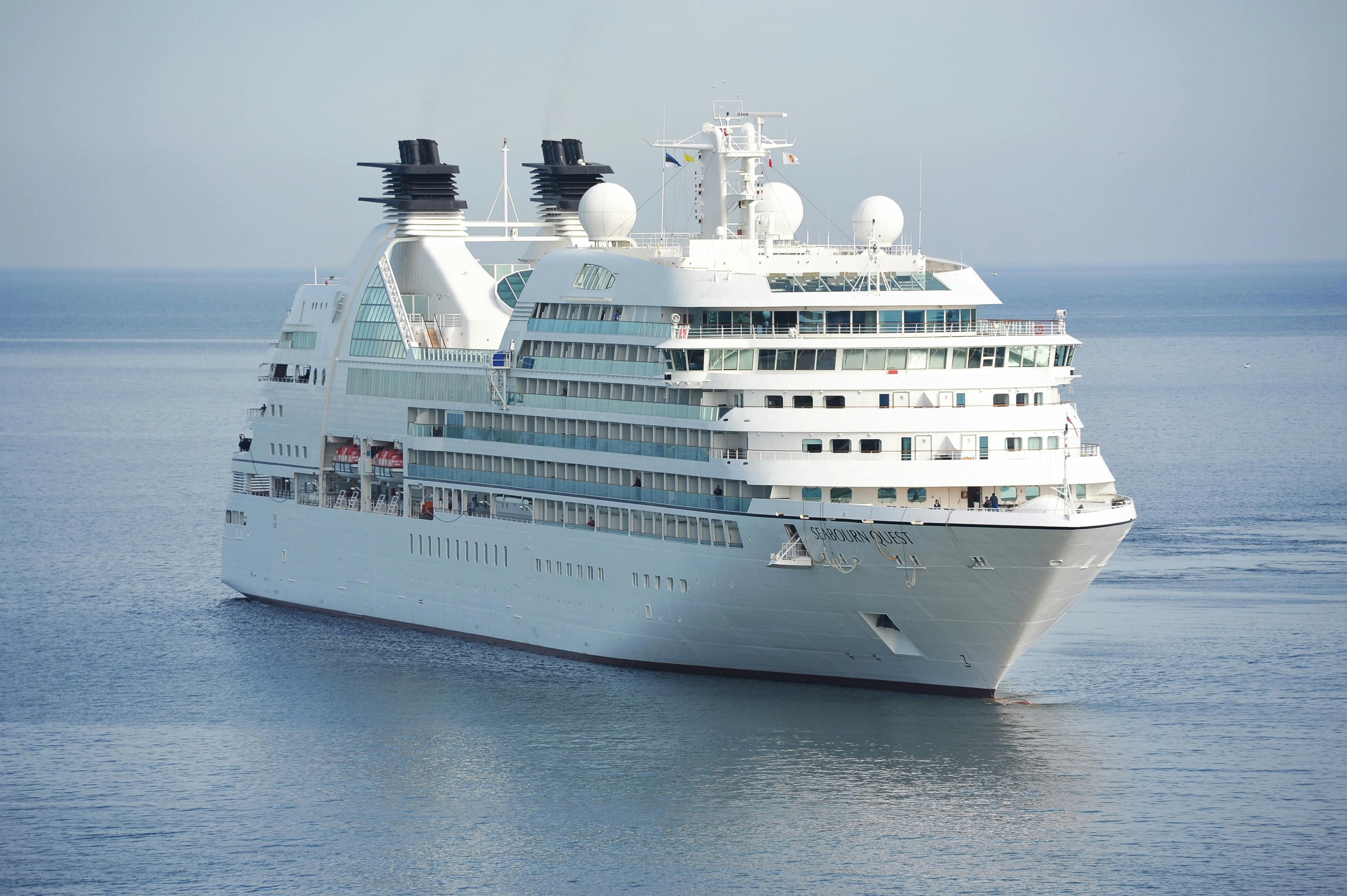
In 2019, deep-sea explorers found the HMS Defender resting upright on the cold sea floor near the Falkland Islands. Her wooden deck looked as solid as the day she went down in 1870. Not a single plank had collapsed, and her iron fittings were still shining in the dark water.
Most ships break apart when they sink. They smash into rocks or roll onto their sides under the heavy weight of water. Finding a full ship standing tall on the ocean bottom, like it just parked there, is a true mystery that blew scientists away.
Sit back and let me tell you how this ship ended up deep underwater, untouched by time, and why its discovery leaves deep-sea divers totally speechles.
How Did the HMS Defender End Up at the Bottom of the Ocean?
The HMS Defender was a British ship built in the 1800s. She carried goods across long ocean paths. The south Atlantic Ocean was her hardest route. Huge waves and sudden freezing winds made the waters near South America very risky for any wooden boat.
On a cold night in November 1870, the ship hit a massive storm. Captain Thomas Vance tried to keep the ship steady. He turned the boat right into the wind. Water poured over the wooden sides faster than the crew could pump it back out. Captain Vance gave the order to leave the ship just after midnight.
All twelve crew members jumped into tiny lifeboats. They rowed through the black night until they reached land safely. But they watched the HMS Defender slip beneath the ocean surface. They assumed she crashed onto sharp rocks on her way down.
Why Ships Usually Break Apart When They Sink
When a large wooden ship sinks, gravity and water push against it from every side. Air gets trapped inside rooms and boxes. As the vessel goes deeper, that trapped air gets squeezed hard by water pressure. The deck explodes outward, or the hull rips wide open.
Also, when a heavy ship hits the ocean floor, it travels at high speed. Imagine dropping a glass cup onto a floor. Most ships smash into pieces when they strike the sea bed. They fall onto their left side or right side, leaving debris across miles of dirt.
If you love wild tales like this, you might also want to read about The Jim Twins: Separated at Birth Who Lived the Same Life on our blog. It is another strange turn of history that seems impossible until you check the facts.
The ocean floor is usually a graveyard of broken wood and bent metal. Wooden ships usually rot away fast too. Hungry sea worms eat the oak beams until nothing is left. But the HMS Defender had a very different story waiting in the deep.
The Shocking Discovery in Cold Blue Waters
For almost 150 years, nobody knew where the ship landed. Deep ocean search teams were scanning the ocean floor for old wreckage using sound waves. In early 2019, modern camera lights cut through the freezing ocean water about 300 feet down. The searchers expected to find scattered wood or rusted iron piles.
Instead, a massive dark shadow stood right in front of the camera lens. It was a complete ship. Her bow pointed straight ahead. Her wheel was still in place. The wooden deck looked smooth and clean, completely standing on her flat bottom hull.
The dive crew cheered in their boat above. They lowered high-resolution cameras down to inspect every inch. The name painted on the side was clear. HMS Defender was resting on a soft bed of deep sand without a single tilt.
The team documented everything using cameras, gathering details much like researchers who collect an Oral history from people who lived through historical events. Every detail on the deck matched the original logs from 1870.
How Did the Ship Stay Standing Upright?
Scientists looked at the video footage for months to figure out this wild phenomenon. They found three key things that saved the ship from smashing into bits.
- The water was freezing cold: Cold water stops wood-eating worms from living. The ocean floor in that spot stays just above freezing all year.
- The soft sand landing: The sea floor was made of super soft mud and sand. The ship dropped like a feather into a soft pillow, which stopped the wooden bottom from breaking.
- Even water filling: Water flooded every room at the exact same time as it sank. Because the pressure inside matched the pressure outside, the ship never popped open.
The ship sank like an elevator taking people to the ground floor. It moved slow and straight. The heavy iron anchor hung off the bottom, acting like a weight that kept the bottom pointing down the whole way.
You can check out more stories about strange events on our main true stories page, where we cover strange historical events from all over the world.
What Diving Teams Found Inside the Sealed Rooms
Because the ship stayed right side up, the rooms inside stayed covered and protected. Robot cameras went down through the main hatch to look inside the captain's quarters. What they found felt like a time machine.
Glass bottles sat on a shelf without falling off. Brass oil lamps still hung from ceiling hooks. Leather boots rested near a wooden bed frame. The cold water protected paper items too. Ship logs were sitting on a desk, covered in a thin skin of sea mud.
The team found ropes tied around wooden posts just like the crew left them in 1870. The main mast had snapped near the top, but the rest of the ship looked ready to sail if you pulled it up to the surface. It was a true underwater time capsule.
Finding human objects left behind like this makes a powerful Human-interest story that touches anyone who reads about it. You can almost see the crew running around the deck in the pitch black storm, trying to save their lives before jumping into small lifeboats.
Will the HMS Defender Ever Be Raised to the Surface?
Many people ask why we do not pull the ship up out of the water. It seems simple enough. Just attach giant balloons and bring it up to show people in a museum.
The truth is that pulling the ship up would ruin it forever. Wood that stays underwater for a hundred years gets soft like wet cardboard. The moment fresh air hits old wet wood, the wood dries out fast and turns to dust. Leaving the ship down on the sea floor keeps it safe.
Governments have marked the spot as a protected place. No boats can drop anchors near the HMS Defender. Diver groups can visit with special permission, but no one is allowed to touch a single piece of wood or take any object away.
Why Weird Ocean Discoveries Still Amaze Us
We know more about the moon than we do about the bottom of our own oceans. Miles of deep ocean floor remain pitch black and unseen. There are thousands of lost ships sitting down there in the dark, waiting for someone to drop a camera down.
The story of the HMS Defender reminds us how strange nature can be. A violent storm sank a massive ship, but the ocean gently set it down like a piece of art on a shelf. It sat there for 150 years in total silence until we finally found it again.
It makes you wonder what else is sitting down there right now under the water, perfectly preserved and totally forgotten. Would you ever want to ride in a small submarine down to see a ghost ship standing upright on the dark sea floor?


Comments
Post a Comment